


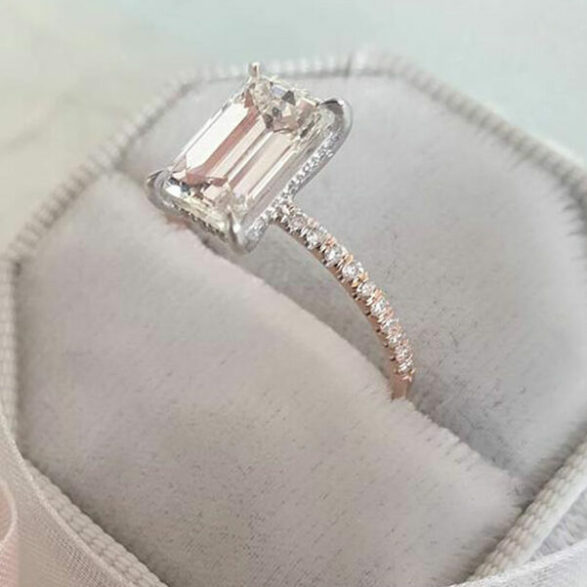
Lab diamond rings have rapidly become a popular choice for those seeking a beautiful, ethical, and cost-effective alternative to traditional mined diamonds. If you’re considering purchasing a lab diamond ring, it’s important to understand what they are, how they’re made, and why they’re gaining traction in the jewelry industry. In this guide, we’ll explore the key aspects of lab diamond rings, from the basics to choosing the perfect one for you.
What Are Lab Diamond Rings?
Lab diamond rings feature diamonds that are grown in a controlled laboratory environment, rather than being mined from the earth. Despite their synthetic origin, lab-created diamonds are chemically, physically, and optically identical to their natural counterparts. This means that when you choose a lab diamond ring, you’re getting the same brilliance, clarity, and hardness as you would with a mined diamond.
Lab diamonds are typically created using one of two methods: High Pressure-High Temperature (HPHT) or Chemical Vapor Deposition (CVD). Both processes mimic the natural conditions under which diamonds form, resulting in a gemstone that is virtually indistinguishable from a mined diamond.
Advantages of Lab Diamond Rings
Choosing a lab diamond ring comes with several benefits, making them an attractive option for many buyers. Here are some of the key advantages:
1. Ethical and Sustainable
Lab diamonds are grown in a controlled environment, eliminating the environmental impact and ethical concerns associated with traditional diamond mining. By choosing lab-created diamonds, you reduce the demand for mining and support a more sustainable approach to gemstone production.
2. Cost-Effective
Lab diamonds are typically more affordable than mined diamonds of the same quality and size. This cost-effectiveness allows buyers to get more value for their money, whether it’s a larger stone or higher quality in terms of clarity and color.
3. Consistency and Quality
Lab-grown diamonds can be produced with greater control over quality and consistency. This means you can find lab diamonds with fewer inclusions and higher clarity ratings, providing exceptional brilliance and beauty.
How to Choose a Lab Diamond Ring
When selecting a lab diamond ring, there are several factors to consider to ensure you make the best choice for your needs and preferences:
1. The Four Cs
Just like with mined diamonds, the Four Cs—Carat, Cut, Clarity, and Color—play a critical role in determining a lab diamond’s quality and value. Here’s a brief overview:
- Carat: The weight of the diamond, which impacts its size. Consider your budget and style preferences when choosing the carat weight.
- Cut: A well-cut diamond reflects light beautifully lab made diamonds, enhancing its brilliance and sparkle. Popular cuts include round, princess, oval, and cushion.
- Clarity: Clarity refers to the presence of inclusions or blemishes. Aim for a clarity rating of VS1 or higher for a clean, sparkling diamond.
- Color: Lab diamonds can be produced in a range of colors, from colorless to yellowish. Colorless or near-colorless diamonds (D to F on the GIA scale) are highly sought after.
2. Ring Setting and Metal
The setting and metal used for the ring can significantly impact its appearance and durability. Consider popular metals like white gold, yellow gold, rose gold, or platinum. The setting style, such as solitaire, halo, or pavé, also contributes to the ring’s overall look.
3. Certification and Warranty
Choose a lab diamond ring with a reputable certification, such as the Gemological Institute of America (GIA) or the International Gemological Institute (IGI). A certification ensures the diamond’s quality and authenticity. Additionally, look for a ring with a warranty that covers manufacturing defects and other issues.
Caring for Your Lab Diamond Ring
Lab diamond rings require proper care and maintenance to keep them looking their best. Here are some tips to help you care for your ring:
- Regular Cleaning: Clean your lab diamond ring regularly using mild soap and warm water. Avoid harsh chemicals and abrasive materials.
- Avoid Impact and Heat: Lab diamonds are durable, but they can still be damaged by impact or extreme heat. Remove your ring when engaging in physical activities or working with heat.
- Professional Maintenance: Have your ring inspected and cleaned by a professional jeweler every 6 to 12 months to ensure it’s in good condition and to address any potential issues.
Conclusion
Lab diamond rings offer a compelling combination of beauty, ethics, and affordability. By understanding the basics, considering the Four Cs, choosing the right setting and metal, and following proper care guidelines, you can find the perfect lab diamond ring to celebrate life’s special moments. Whether you’re shopping for an engagement ring, a wedding band, or a meaningful gift, lab diamond rings guides are a fantastic choice that will bring joy and elegance for years to come.